
 Huriya Shakeel Qureshi
  Huriya Shakeel Qureshi
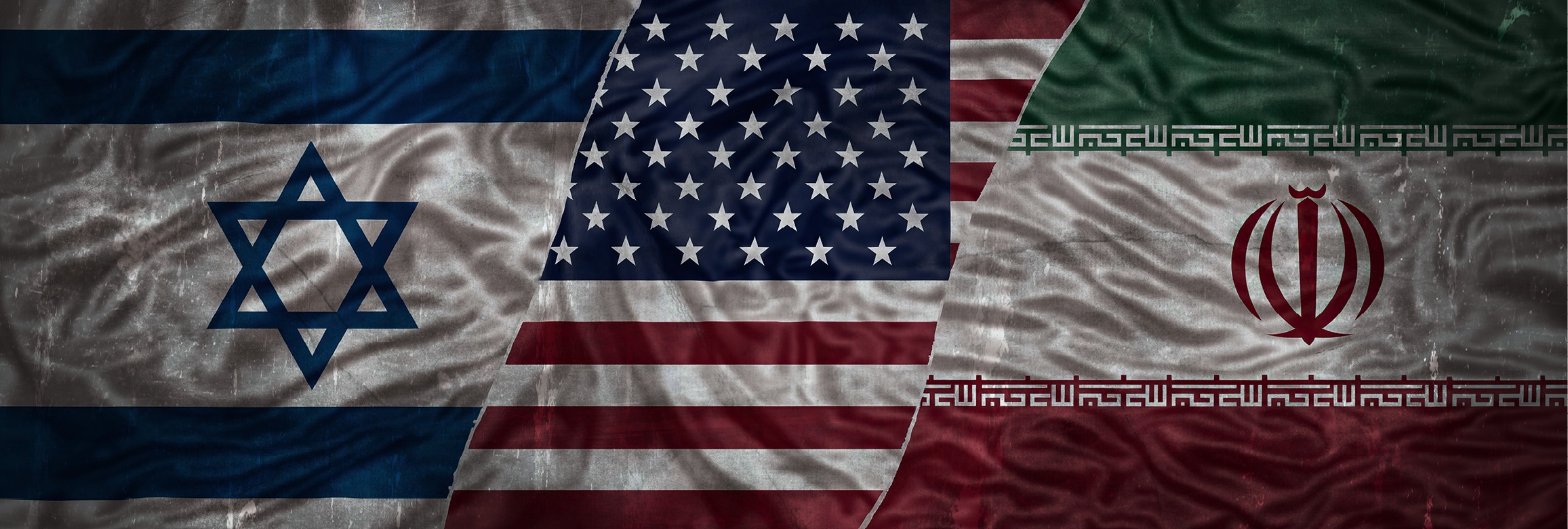
The ongoing tensions between the United States–Israel alliance and Iran have led to widespread destruction and raised serious concerns about global stability. At the same time, these developments have reshaped the geopolitical landscape. In this context, Pakistan has emerged as a potential diplomatic bridge due to its unique relationships, strategic location, and communication channels with all parties. However, the key question remains: can Pakistan truly succeed in mediating peace between the United States–Israel bloc and Iran, and help de-escalate tensions in the Middle East?
The roots of this conflict can be traced back to the mid-20th century. Initially, relations between the United States and Iran were relatively friendly. However, the 1953 Iranian coup d’état, which removed Prime Minister Mohammad Mosaddegh, created long-term instability. Tensions escalated further after the Iranian Revolution, when the US embassy in Tehran was seized. Since then, disputes over sanctions, regional influence, and Iran’s nuclear program have continued to strain relations. In May 2026, the International Atomic Energy Agency reported that Iran had enriched uranium up to 60%, which is close to weapons-grade levels (around 90%). This development raised alarm in both the United States and Israel. Consequently, on 28 February 2026, they reportedly launched a joint military strike; referred to as Operation Epic Fury against Iranian military targets, arguing that Iran had violated the Nuclear Non-Proliferation Treaty and risked triggering a nuclear arms race in the Middle East.
The conflict caused extensive destruction and further escalated tensions. Iran’s Supreme Leader, Ali Khamenei, who had ruled for decades, was reportedly killed during the escalation. In response, Iran launched attacks on US military assets across the Gulf region, including the Al Udeid Air Base and Prince Sultan Air Base, as well as facilities in Kuwait and the United Arab Emirates. These actions heightened tensions among Gulf states and increased fears of a broader regional war. One of the most significant consequences was Iran’s temporary blockade of the Strait of Hormuz, through which around 20% of global oil passes; valued at approximately $500 billion annually. This disruption caused oil prices to surge dramatically, from around $70 to $270 per barrel, with ripple effects across global markets. Energy prices rose sharply, gasoline costs increased worldwide, and inflationary pressures intensified, demonstrating how regional conflict can quickly impact the global economy. These developments also affected Pakistan’s economy and pushed it to take a more active diplomatic role. Several factors explain Pakistan’s involvement. First, Pakistan maintains working relations with both Iran and the United States, allowing it to act as a communication bridge. Second, Pakistan shares a border with Iran, making regional stability a direct national concern. Third, Pakistan has engaged in quiet diplomatic efforts, facilitating communication between the opposing sides.
On 8 April 2026, Pakistan reportedly helped mediate a two-week ceasefire, led by Prime Minister Shehbaz Sharif and Army Chief Asim Munir. As part of this effort, Iran reopened the Strait of Hormuz, and both sides temporarily halted military operations. Pakistan also hosted negotiations in Islamabad, where Iran proposed a 10-point ceasefire plan, including sanctions relief and maritime dispute resolution, while the United States focused on limiting Iran’s nuclear program. Pakistan’s approach reflects its broader foreign policy, which emphasizes neutrality and regional stability. Historically, Pakistan played a key role in facilitating dialogue during the 1971 US-China rapprochement, using covert diplomacy to connect two adversaries. Today, Pakistan appears to be following a similar strategy; avoiding alignment with any side while promoting dialogue, negotiation, and de-escalation.
Conclusively, it can be argued that Pakistan’s balanced foreign policy, strategic location, and relationships with all parties position it as a potential diplomatic bridge in the United States–Israel–Iran conflict. However, deep-rooted mistrust, ongoing hostilities, and nuclear concerns make achieving lasting peace extremely challenging. Ultimately, sustainable peace will depend on genuine dialogue and compromise among the major powers involved, while Pakistan can play an important, but supportive role in facilitating that process.