
 Huriya Shakeel Qureshi
  Huriya Shakeel Qureshi
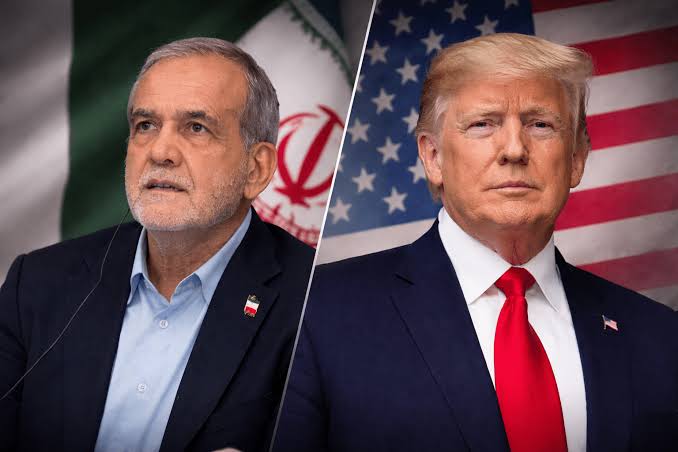
For more than four decades, the relationship between the United States and Iran has been defined by strategic rivalry, economic sanctions, proxy conflicts, and repeated military confrontations. From the 1979 Iranian Revolution to the collapse of the Joint Comprehensive Plan of Action (JCPOA) following the United States’ withdrawal in 2018, mutual distrust steadily replaced diplomatic engagement. The resulting tensions not only reshaped Middle Eastern geopolitics but also affected global energy markets, maritime security, and international diplomatic efforts. Against this backdrop, the signing of the Bürgenstock Memorandum of Understanding (MoU) in Switzerland on 17 June 2026 represented one of the most significant diplomatic developments in recent years. Facilitated through sustained mediation efforts by Pakistan and Qatar, with diplomatic support from Oman and Switzerland, the agreement established a 60-day framework for structured negotiations aimed at addressing the most contentious issues between Washington and Tehran.
Rather than functioning as a final peace agreement, the Memorandum created an institutional mechanism for dialogue on Iran’s nuclear programme, sanctions relief, regional security, and maritime stability in the Strait of Hormuz. Although numerous disagreements remained unresolved, the agreement revived direct diplomatic engagement after years of escalating military tensions and regional confrontation, offering cautious optimism for a negotiated settlement. The negotiations also elevated Pakistan’s international diplomatic profile. By acting as a neutral facilitator alongside Qatar, Pakistan demonstrated its growing ability to contribute constructively to complex international disputes. Its role reflected an evolving foreign policy centered on dialogue, conflict resolution, and regional stability while strengthening its credibility as a responsible diplomatic actor within the international community.
The modern US–Iran confrontation began with the 1979 Iranian Revolution, which transformed Iran’s political system and fundamentally altered its relationship with Washington. Diplomatic relations collapsed following the hostage crisis, and decades of political confrontation, economic sanctions, and strategic competition followed. Although both countries occasionally explored diplomatic engagement, mutual suspicion consistently undermined long-term progress. A major breakthrough appeared possible with the signing of the Joint Comprehensive Plan of Action (JCPOA) in 2015, under which Iran agreed to significant restrictions on its nuclear activities in exchange for sanctions relief. However, this diplomatic progress proved short-lived.
The United States withdrew from the agreement in 2018, reinstating comprehensive economic sanctions under its “maximum pressure” campaign. The renewed sanctions sharply reduced Iran’s oil exports, restricted foreign investment, weakened the Iranian economy, and accelerated inflation. Simultaneously, diplomatic trust between Washington and Tehran deteriorated to one of its lowest levels in decades. The collapse of the JCPOA also intensified regional insecurity. Both countries increasingly relied on military deterrence, indirect confrontation, and competing regional alliances instead of sustained diplomacy. As proxy conflicts expanded across the Middle East, concerns over maritime security in the Persian Gulf and the Strait of Hormuz became increasingly central to international security discussions.
By early 2026, military confrontations between the United States and Iran had generated serious concerns regarding the stability of the Middle East. Rising tensions threatened to disrupt international shipping, increase insurance costs, and undermine confidence in global energy markets. Particular attention focused on the Strait of Hormuz, one of the world’s most strategically significant maritime chokepoints. Approximately one-fifth of global oil and liquefied natural gas (LNG) trade passes through the narrow waterway, making any disruption an issue of international concern rather than merely a regional dispute. As uncertainty increased, energy markets reacted quickly. Concerns over possible supply interruptions contributed to a sharp increase in Brent crude oil prices, which climbed above US$100 per barrel, raising fears of inflationary pressure, higher transportation costs, and broader economic instability across energy-importing nations. These developments underscored an important reality: the consequences of US–Iran tensions extended far beyond bilateral relations. Every military incident carried implications for global trade, international financial markets, maritime commerce, and the wider geopolitical balance in the Middle East.
Against this increasingly volatile backdrop, representatives from Washington and Tehran convened in Bürgenstock, Switzerland, for intensive negotiations designed to halt further escalation. Following approximately 18 hours of direct discussions overlooking Lake Lucerne, both delegations reached agreement on a 14-point Memorandum of Understanding (MoU) on 17 June 2026. Although limited in scope, the agreement marked the first structured diplomatic framework between the two adversaries in years. Rather than attempting to resolve every dispute immediately, the Memorandum established a 60-day roadmap for negotiations through specialized working groups responsible for addressing several interconnected issues:
- Iran’s nuclear Programme and uranium enrichment activities;
- International Atomic Energy Agency (IAEA) monitoring and verification arrangements;
- Phased sanctions relief and economic confidence-building measures;
- Maritime security and freedom of navigation in the Strait of Hormuz;
- Regional security mechanisms aimed at preventing further military escalation.
This incremental approach reflected a pragmatic recognition by both governments that decades of mistrust could not be overcome through a single agreement. Instead, negotiators sought to establish predictable diplomatic channels capable of managing disputes while reducing the risk of unintended military confrontation. The Memorandum therefore represented not a comprehensive peace treaty but an attempt to rebuild diplomatic confidence through structured negotiations. Among the most significant aspects of the negotiations was the emergence of Pakistan as an active diplomatic facilitator. Working closely with Qatar while receiving support from Oman and Switzerland, Pakistan helped maintain communication between Washington and Tehran during periods when formal dialogue had become increasingly difficult. Pakistan’s involvement reflected its broader commitment to promoting regional stability through diplomacy rather than confrontation. By facilitating dialogue between two long-standing adversaries, Islamabad projected itself as a constructive international partner capable of supporting conflict resolution beyond South Asia. The mediation also strengthened Pakistan’s diplomatic standing internationally. Successful engagement in complex negotiations enhanced its reputation as a credible, peace-oriented state committed to dialogue, multilateral cooperation, and regional security. Beyond its diplomatic value, this growing international profile also carried potential long-term strategic benefits. Increased diplomatic credibility can enhance investor confidence, expand economic partnerships, strengthen bilateral relations with key regional actors, and create new opportunities for political and economic cooperation.
At a time when geopolitical competition increasingly shapes international relations, Pakistan’s participation in high-level mediation demonstrated that middle powers can play meaningful roles in facilitating dialogue between major adversaries. The Bürgenstock Memorandum generated cautious optimism throughout the international community. While few observers expected immediate resolution of decades-old disputes, the agreement created a structured framework capable of reducing tensions while allowing negotiators to address complex issues through sustained dialogue. Nevertheless, significant obstacles remained. Disagreements over uranium enrichment, sanctions relief, IAEA inspections, the status of the Islamic Revolutionary Guard Corps (IRGC), and broader regional security continued to divide both governments. These unresolved issues meant that the success of the Memorandum would ultimately depend not on the signing ceremony itself but on the willingness of both sides to implement their commitments in good faith. The coming weeks would test whether diplomacy could overcome decades of strategic mistrust or whether renewed regional instability would once again derail the search for lasting peace.
The optimism generated by the Bürgenstock Memorandum was short-lived. While the agreement established a structured framework for dialogue, the broader regional security environment remained volatile, demonstrating how external developments could quickly undermine diplomatic progress. Within weeks of the negotiations, renewed military activity across the Middle East complicated efforts to build confidence between Washington and Tehran, exposing the fragile foundations upon which the peace process rested. Among the most significant setbacks was a reported Israeli drone strike on Nabatieh al-Fawqa in southern Lebanon, which killed two civilians and intensified regional tensions. Although Israel was not a party to the negotiations, the incident had wider diplomatic repercussions. Iranian officials argued that the strike reinforced long-standing concerns regarding regional security and questioned whether meaningful progress with Washington could be sustained while military confrontations continued elsewhere in the region.
The incident deepened mistrust at a particularly sensitive stage of the negotiations. Confidence-building measures that had been carefully negotiated during the Switzerland talks faced growing political pressure as both sides reassessed their strategic positions. Rather than allowing negotiators to focus exclusively on technical issues such as nuclear verification and sanctions relief, regional developments increasingly dominated diplomatic discussions. As tensions escalated, concerns surrounding the Strait of Hormuz also resurfaced. Iranian authorities reportedly introduced additional maritime restrictions during ongoing security operations, raising concerns among international shipping companies and energy traders about the uninterrupted flow of commercial traffic. Given that nearly one-fifth of global oil and liquefied natural gas (LNG) shipments transit through the strategic waterway, even limited disruptions generated significant international attention.
Global energy markets reacted quickly to the uncertainty. Concerns over potential supply interruptions contributed to renewed volatility in crude oil prices, with Brent crude once again trading above the US$100-per-barrel threshold. Rising insurance premiums for commercial shipping, increased transportation costs, and broader market uncertainty underscored how regional instability could rapidly translate into global economic consequences. Despite these setbacks, negotiators continued exploring measures designed to preserve diplomatic momentum. Both Washington and Tehran recognised that political agreements required tangible economic incentives capable of demonstrating the practical benefits of continued dialogue. One of the most significant reported confidence-building initiatives was the United States’ issuance of General License X (GL X), which temporarily permitted certain Iranian oil and petrochemical exports until 21 August 2026. The temporary sanctions relief was intended to encourage constructive engagement while broader negotiations continued. If implemented successfully, the arrangement had the potential to unlock approximately 67 million barrels of Iranian oil exports, generating an estimated US$24 billion in export revenue. Beyond supporting Iran’s economy, increased global oil supplies could also contribute to moderating international energy prices, with some projections suggesting a potential decline of approximately three to four percent in global crude prices.
Another important proposal involved the phased release of approximately US$24 billion in Iranian frozen financial assets held abroad. Reports indicated that Tehran initially sought access to roughly half of those funds to finance essential imports, stabilise domestic economic conditions, and demonstrate the economic benefits of continued negotiations. Supporters of the initiative argued that carefully monitored financial relief could strengthen incentives for diplomatic compromise while addressing humanitarian and economic concerns within Iran. Critics, however, remained cautious, warning that implementation would depend upon credible verification mechanisms and reciprocal compliance by both governments. Consequently, although these confidence-building measures reflected a willingness to move beyond symbolic diplomacy, their implementation remained constrained by persistent political mistrust.
While the Memorandum successfully reopened direct channels of communication, the most difficult issues remained unresolved. Foremost among these was Iran’s uranium enrichment programme. Tehran maintained that its nuclear activities were intended for peaceful civilian purposes and insisted that enrichment constituted a sovereign right under international law. Washington, however, continued to express concerns regarding Iran’s expanding enrichment capabilities and the size of its reported stockpile of uranium enriched to 60 percent purity. Closely linked to this dispute was the question of International Atomic Energy Agency (IAEA) monitoring and verification. Negotiators continued discussing the scope of future inspections, access to nuclear facilities, and mechanisms designed to provide international assurance regarding the peaceful nature of Iran’s nuclear programme. Differences over inspection procedures remained one of the principal barriers to a lasting agreement. Sanctions relief represented another major point of contention. Iranian officials argued that any meaningful diplomatic settlement required comprehensive and irreversible economic relief rather than temporary or conditional measures. Conversely, Washington favoured a phased approach under which sanctions would be lifted gradually in response to verified Iranian compliance with agreed commitments.
Additional disagreements reportedly involved the future status of the Islamic Revolutionary Guard Corps (IRGC), regional security arrangements, and mechanisms intended to prevent future military escalation across the Middle East. These unresolved issues highlighted the complexity of the negotiations. While the Memorandum succeeded in creating a diplomatic framework, transforming that framework into a durable agreement required compromises on issues that had divided both countries for decades.
Throughout this period, Pakistan continued to strengthen its reputation as a constructive diplomatic facilitator. Working alongside Qatar and supported by Oman and Switzerland, Islamabad sought to preserve communication channels during periods of heightened tension. Rather than replacing the principal negotiating parties, Pakistan’s role centered on facilitating dialogue, reducing misunderstandings, and encouraging continued engagement despite repeated setbacks. This approach reflected Pakistan’s broader foreign policy objective of promoting regional peace through diplomacy and multilateral cooperation. By participating in one of the most sensitive diplomatic initiatives in the Middle East, Pakistan projected itself as a responsible international actor capable of contributing to conflict resolution beyond its immediate neighborhood.
The diplomatic benefits extended beyond international prestige. Successful mediation has the potential to strengthen bilateral relationships with major regional and global powers, improve investor confidence, expand economic cooperation, and reinforce Pakistan’s image as a reliable partner in international diplomacy. Equally important, Pakistan’s participation challenged long-standing perceptions that middle powers have limited influence over complex geopolitical disputes. Its engagement demonstrated that countries with balanced diplomatic relations across competing regional blocs can make meaningful contributions to international peace initiatives by facilitating dialogue where direct communication has become increasingly difficult. The developments following the Bürgenstock Memorandum illustrated both the promise and the limitations of contemporary diplomacy. On one hand, the agreement demonstrated that sustained dialogue remained possible even after years of confrontation. On the other, it underscored how rapidly external events, regional conflicts, and strategic mistrust could derail carefully negotiated diplomatic progress. The coming weeks would prove decisive. Whether the Memorandum evolved into a comprehensive peace framework or became another missed opportunity would ultimately depend on the willingness of both governments to balance national security concerns with the political courage required for sustained diplomatic compromise.